
How to Choose the Right Blender: A Complete Buyer’s Guide. Everything You Need to Know Before Buying
A blender is one of the most versatile appliances in the kitchen. From smoothies and soups to sauces and nut butters, a good blender can make meal prep faster, healthier, and much more enjoyable. But with so many models on the market—ranging from budget-friendly personal blenders to high-performance machines that rival professional kitchens—choosing the right blender can feel overwhelming.
This guide will walk you through everything you need to know before buying, including the types of blenders, important features, size considerations, and tips for matching a blender to your cooking style.
Why a Good Blender Matters
A blender isn’t just for smoothies. With the right model, you can:
- Make creamy soups without chunks
- Whip up smoothies and protein shakes in seconds
- Crush ice for cocktails
- Prepare nut butters and nut milks
- Blend pancake or waffle batter with ease
- Create homemade dips, sauces, and dressings
In short, the right blender can save you time in the kitchen and expand your cooking possibilities. But the key is finding one that fits your needs and budget.
Types of Blenders
Not all blenders are created equal. Understanding the main categories will help narrow your search.
1. Countertop Blenders
- Best for: Everyday use—smoothies, soups, sauces, and general blending.
- Pros: Larger capacity, powerful motors, versatile.
- Cons: Takes up counter space.
2. High-Performance Blenders
- Best for: Heavy-duty tasks like crushing ice, making nut butter, and blending tough ingredients.
- Pros: Extremely powerful, durable, long-lasting.
- Cons: Expensive (often $300+).
3. Personal (Single-Serve) Blenders
- Best for: Smoothies and shakes on the go.
- Pros: Compact, portable cups, easy to clean.
- Cons: Small capacity, not great for hot foods or large batches.
4. Immersion (Hand) Blenders
- Best for: Pureeing soups directly in the pot, making small batches of sauces or whipped cream.
- Pros: Lightweight, portable, easy to store.
- Cons: Less powerful, not ideal for ice or frozen foods.
Size and Capacity
Blenders come in a range of sizes:
- Personal blenders (14–24 oz): Perfect for single servings.
- Standard countertop blenders (48–64 oz): Good for families and versatile cooking.
- High-capacity blenders (70–90 oz): Great for large families, entertaining, or meal prepping.
👉 Tip: If you mainly make smoothies for one person, a compact personal blender is enough. If you meal prep or cook for a family, a larger countertop model is more practical.
Key Features to Look For
When comparing blenders, pay close attention to these features:
1. Motor Power
- Low power (200–400 watts): Fine for shakes, soft fruits, and light use.
- Medium power (500–700 watts): Can handle frozen fruit, ice, and most recipes.
- High power (1000+ watts): Essential for nut butters, tough greens, and professional-quality blending.
2. Blade Quality
Stainless steel blades are durable and resistant to rust. Some blenders have multi-level blades for more efficient blending.
3. Speed Settings and Controls
- Basic models: On/off and pulse buttons.
- Advanced models: Multiple speed settings, preset programs (smoothie, soup, ice crush).
- Touch vs. Dial controls: Touch panels look modern, while dials give more precision.
4. Jar Material
- Glass: Durable and resistant to stains, but heavy and breakable.
- Plastic (BPA-free): Lightweight and shatter-resistant, but may scratch over time.
- Stainless steel: Durable and keeps drinks cold, but you can’t see inside.
5. Ease of Cleaning
Look for blenders with removable blades or self-cleaning functions. Dishwasher-safe jars and lids save time too.
6. Noise Level
Powerful blenders can be loud. If noise is a concern, check reviews for quieter models or consider sound-dampening lids.
7. Additional Features
Some blenders come with extras like:
- Travel cups for smoothies on the go
- Heating elements (to make hot soups directly)
- Food processor attachments for chopping and slicing
Budget Considerations
Blender prices vary widely:
- Budget ($30–$70): Basic personal or countertop blenders for simple tasks.
- Mid-range ($80–$150): More powerful, with larger capacity and multiple speed options.
- High-end ($200–$500+): Professional-grade models like Vitamix and Blendtec with exceptional power, durability, and warranty coverage.
👉 If you only make smoothies a few times a week, a mid-range model is usually enough. If you plan to use your blender daily for heavy-duty tasks, investing in a high-performance model can be worth it.
Popular Blender Brands
Some trusted names in the blender world include:
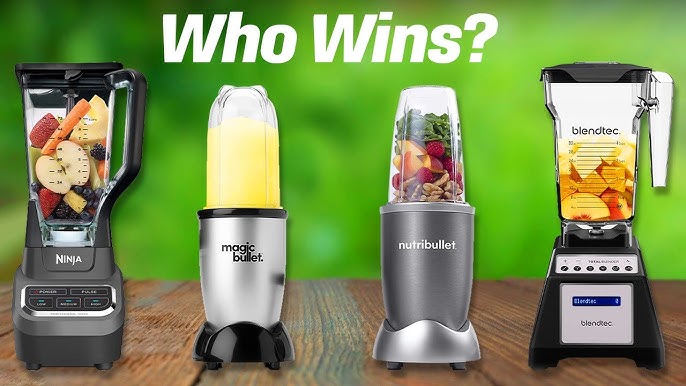
- Vitamix – Known for professional performance and durability.
- Blendtec – High power, sleek design, and pre-programmed settings.
- Ninja – Affordable, versatile, and family-friendly.
- NutriBullet – Excellent for personal smoothies and compact blending.
- KitchenAid – Stylish design with solid performance.
- Hamilton Beach – Budget-friendly with reliable basic models.
Tips for Choosing the Right Blender
- Match It to Your Lifestyle
- For smoothies and shakes → personal blender.
- For soups, sauces, and family meals → countertop blender.
- For all-purpose, high-power use → high-performance blender.
- Check the Warranty
High-end blenders often come with 5–10 year warranties, while cheaper models may only offer 1 year. - Read Customer Reviews
Reviews can reveal if a blender struggles with ice, overheats, or has durability issues. - Consider Storage Space
Some blenders are tall and may not fit under standard kitchen cabinets. Measure your space before buying. - Think About Noise
If you make early-morning smoothies, noise level might be a big factor.
Final Thoughts
The right blender can transform your kitchen experience, making it easier to prepare healthy meals, snacks, and drinks. When shopping, think about what you’ll use it for most often, how many people you’re cooking for, and your budget.
- If you just want smoothies and shakes → go for a personal blender.
- If you cook often and need versatility → a countertop blender is a great choice.
- If you want power and durability for daily use → invest in a high-performance model.
By considering motor power, blade quality, jar material, and ease of cleaning, you’ll be able to choose a blender that matches your lifestyle and lasts for years.
So whether you’re blending a morning smoothie, whipping up soup, or making homemade almond butter, the right blender will become one of your most-used (and loved) kitchen appliances.