

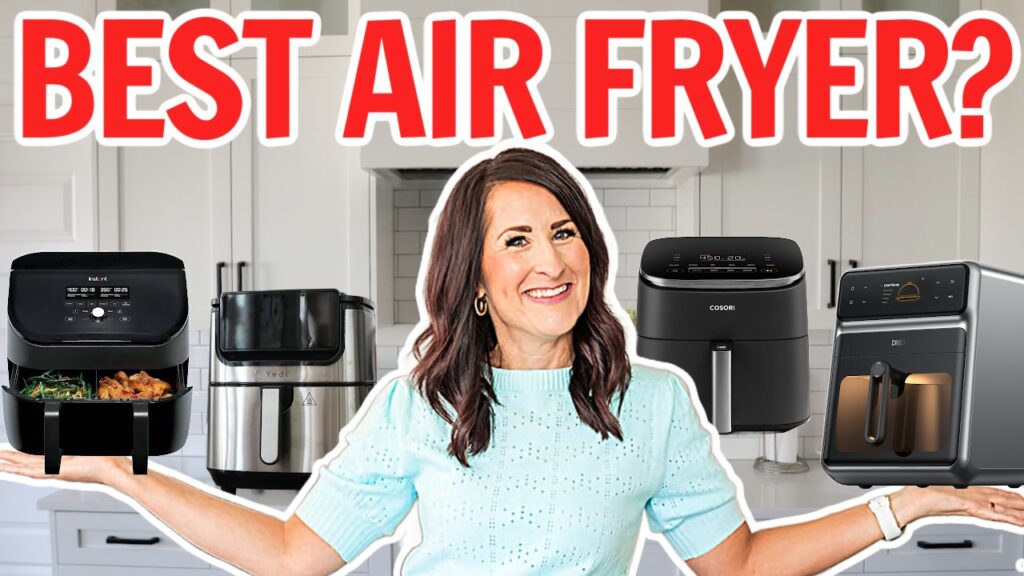
How to Choose the Right Air Fryer: A Complete Buyer’s Guide
The air fryer has quickly become one of the most popular kitchen appliances, offering a healthier way to enjoy fried foods with little to no oil. But with so many sizes, styles, and features on the market, choosing the right one can feel overwhelming.
If you’re considering adding an air fryer to your kitchen or upgrading to a better model, this guide will walk you through everything you need to know: from types and sizes to must-have features and top tips for finding the perfect fit.
Why Get an Air Fryer?
Before diving into buying tips, it’s worth understanding why air fryers have become such a staple in modern kitchens:
- Healthier cooking: Uses up to 80% less oil than traditional frying.
- Convenience: Heats up fast and cooks food quickly.
- Versatility: Air fry, bake, roast, grill, and reheat in one appliance.
- Energy-efficient: Smaller than ovens, so they use less electricity.
- Easy cleanup: Most baskets and trays are nonstick and dishwasher-safe.
Clearly, an air fryer can save time and calories—but only if you choose the right one for your needs.
Types of Air Fryers
Air fryers come in different shapes and designs. Here are the most common types:
1. Basket-Style Air Fryers
- Best for: Crispy foods like fries, chicken wings, and roasted veggies.
- Design: Pull-out basket or drawer where food cooks with circulating air.
- Pros: Compact, easy to use, great for quick snacks and small meals.
- Cons: Limited capacity for larger families.
2. Oven-Style Air Fryers
- Best for: Larger meals and multitasking (baking, roasting, dehydrating).
- Design: Looks like a mini oven with racks, trays, and sometimes rotisserie features.
- Pros: More cooking space, often multiple functions.
- Cons: Bulkier and takes up more counter space.
3. Air Fryer Toaster Ovens
- Best for: People who want a 2-in-1 appliance.
- Design: A traditional toaster oven with air fryer functionality.
- Pros: Versatile, can replace several kitchen gadgets.
- Cons: Pricier than basic models.
Choosing the Right Size
Air fryers come in different capacities, usually measured in quarts. Choosing the right size depends on how many people you cook for.
- 2–3 quarts: Best for singles or couples (fits 2 chicken breasts or a small batch of fries).
- 4–5 quarts: Good for small families of 3–4 people.
- 6–7 quarts: Ideal for larger families or meal prepping.
- 8 quarts or more: Great for entertaining, big portions, or cooking whole chickens.
👉 Tip: If you’re torn between two sizes, go one size bigger. Many users regret buying too small an air fryer.
Key Features to Look For
Not all air fryers are created equal. Here are the most important features to consider before buying:
- Temperature Range & Timer
Look for a wide temperature range (175°F–400°F) and an adjustable timer for flexibility in cooking different foods. - Ease of Cleaning
Nonstick baskets and dishwasher-safe parts make cleanup quick and easy. - Digital vs. Manual Controls
- Digital models: Offer presets, touch screens, and precise temperature settings.
- Manual models: Use simple knobs—budget-friendly but less accurate.
- Preset Cooking Programs
Some models come with pre-programmed buttons for fries, chicken, fish, or baking, making cooking easier. - Safety Features
Automatic shutoff, cool-touch handles, and non-slip bases are helpful for peace of mind. - Additional Functions
Some advanced models can also:- Dehydrate fruits
- Toast bread
- Slow cook or roast
- Rotisserie whole chickens
Popular Brands and Models
A few brands consistently rank high for reliability and performance:
- Ninja – Known for durable, family-size air fryers with multiple functions.
- Philips – One of the pioneers of air fryer technology; high-quality but pricier.
- Cosori – Stylish, affordable, and user-friendly with great digital controls.
- Instant Pot (Vortex) – Combines air frying with other cooking functions.
- Cuisinart – Offers versatile toaster oven-style air fryers.
Budget Considerations
- Entry-level models ($50–$80): Smaller capacity, basic functions—ideal for singles or beginners.
- Mid-range ($100–$150): Larger sizes, digital controls, presets—great for families.
- High-end ($200+): Premium features like rotisserie, smart app controls, or extra-large capacity.
👉 Don’t overspend if you’ll only use it occasionally. But if you cook for a family daily, investing in a reliable mid-range or high-end model can pay off.
Pros and Cons of Air Fryers
Pros:
- Healthier meals with less oil
- Quick cooking times
- Energy-efficient
- Versatile (fry, bake, roast, reheat)
Cons:
- Limited cooking capacity in smaller models
- Can take up counter space
- Not ideal for wet batters or large roasts
- Some high-end models are expensive
Tips for First-Time Buyers
- Think About Your Kitchen Space – Do you have room for a bulky oven-style fryer, or do you need a compact basket fryer?
- Match the Size to Your Family – Avoid going too small if you often cook for multiple people.
- Read Reviews – Real customer feedback can reveal performance issues.
- Look for Warranty – A 1–2 year warranty is standard and offers peace of mind.
- Consider Your Cooking Habits – If you bake, roast, and grill often, an oven-style fryer may be better. If you just want quick snacks, a basket fryer is enough.
Final Thoughts
Choosing the right air fryer comes down to your cooking style, family size, and budget. If you’re a solo cook or just want to make crispy fries and chicken wings, a compact basket-style fryer will work perfectly. For families or those who want more versatility, an oven-style air fryer with multiple functions is worth the investment.
No matter which model you choose, the air fryer is a game-changing appliance. It makes cooking faster, cleaner, and healthier—without sacrificing flavor.
So take the time to compare features, consider your needs, and choose wisely. Once you have the right air fryer in your kitchen, you’ll wonder how you ever lived without it.