
The Ultimate Guide to Groceries: Smart Shopping for a Healthier, Budget-Friendly Lifestyle
Groceries are at the heart of daily living. Whether you’re preparing family dinners, stocking up on pantry staples, or simply grabbing snacks for the week, grocery shopping is something we all do regularly. Yet, with rising food prices, busy schedules, and the growing demand for healthier options, grocery shopping has become more than just a chore—it’s a lifestyle choice.
In this guide, we’ll dive into everything you need to know about groceries: the types, tips for smart shopping, how to save money, ways to choose healthier options, and the future of grocery shopping with online services.
What Are Groceries?
The term groceries refers to food and household items you buy regularly to sustain daily life. This includes fresh produce, meat, dairy, pantry staples, snacks, beverages, cleaning supplies, and even pet food. Groceries can be purchased from supermarkets, local farmers’ markets, convenience stores, or online grocery delivery services.
Essentially, groceries fuel our kitchens, shape our diets, and often impact our health and budgets.
Types of Groceries
Understanding the main categories of groceries can help you shop smarter and organize your meals better:
- Fresh Produce – Fruits and vegetables like apples, bananas, spinach, carrots, and seasonal options.
- Meat, Poultry & Seafood – Chicken, beef, pork, fish, shrimp, and plant-based protein alternatives.
- Dairy & Eggs – Milk, yogurt, cheese, butter, and dairy-free substitutes such as oat milk or almond milk.
- Pantry Staples – Rice, pasta, flour, sugar, canned goods, oils, and spices.
- Bakery & Grains – Fresh bread, bagels, tortillas, oats, cereals, and whole grains.
- Snacks & Beverages – Chips, cookies, juices, coffee, tea, and sparkling water.
- Frozen Foods – Vegetables, ready-to-eat meals, pizzas, and desserts.
- Household Essentials – Cleaning supplies, toiletries, paper towels, and pet food.
Why Grocery Shopping Matters
Many people see grocery shopping as just another weekly task, but it has a significant impact on lifestyle:
- Health: Choosing fresh, nutrient-rich foods helps maintain a balanced diet.
- Budget: Smart grocery shopping saves money and prevents food waste.
- Convenience: Stocking the right groceries makes meal prep quicker and easier.
- Sustainability: Selecting eco-friendly products supports the environment.
Tips for Smart Grocery Shopping
Want to make your grocery trips more efficient, affordable, and healthier? Here are some proven strategies:
1. Plan Ahead
Create a weekly meal plan and make a shopping list based on it. This prevents impulse buying and ensures you only purchase what you need.
2. Shop Seasonal Produce
Buying fruits and vegetables in season not only saves money but also ensures fresher, more flavorful food.
3. Buy in Bulk (Wisely)
Staples like rice, pasta, oats, and beans are often cheaper in bulk. Just make sure you have proper storage to avoid waste.
4. Compare Prices
Check unit prices (price per ounce or gram) to see which product offers better value.
5. Avoid Shopping Hungry
Impulse snack purchases are more likely when you shop on an empty stomach.
6. Stick to the Perimeter
Grocery store perimeters usually have the freshest items—produce, meat, and dairy—while the middle aisles often contain processed foods.
How to Save Money on Groceries
With food prices rising globally, saving money on groceries is more important than ever. Here’s how:
- Use Coupons and Cashback Apps – Digital coupons and apps like Ibotta or Rakuten help cut costs.
- Join Loyalty Programs – Many supermarkets offer member discounts and reward points.
- Buy Store Brands – Private-label brands often offer the same quality as name brands at lower prices.
- Limit Pre-Packaged Foods – Pre-cut fruits, salad mixes, and shredded cheese are convenient but more expensive.
- Reduce Food Waste – Plan meals using perishable items first and repurpose leftovers.
Healthy Grocery Shopping
Your grocery cart reflects your diet. To shop healthier, try these strategies:
- Fill Half Your Cart with Produce – Fresh or frozen fruits and vegetables should be the foundation of your meals.
- Choose Whole Grains – Opt for whole wheat bread, brown rice, oats, and quinoa instead of refined grains.
- Pick Lean Proteins – Chicken breast, fish, lentils, beans, and tofu are excellent options.
- Check Labels – Look out for added sugars, sodium, and preservatives.
- Stock Healthy Snacks – Nuts, Greek yogurt, and dried fruit are better choices than chips and candy.
Grocery Shopping for Different Lifestyles
- Families: Bulk items, snacks, kid-friendly foods, and meal prep essentials.
- Singles/Students: Easy-to-cook meals, frozen foods, and portion-friendly packs.
- Health Enthusiasts: Organic produce, plant-based proteins, and superfoods like chia seeds and quinoa.
- Budget Shoppers: Discount stores, coupons, and affordable staples like beans and pasta.
- Eco-Conscious Shoppers: Locally sourced produce, reusable bags, and minimal packaging products.
The Rise of Online Groceries
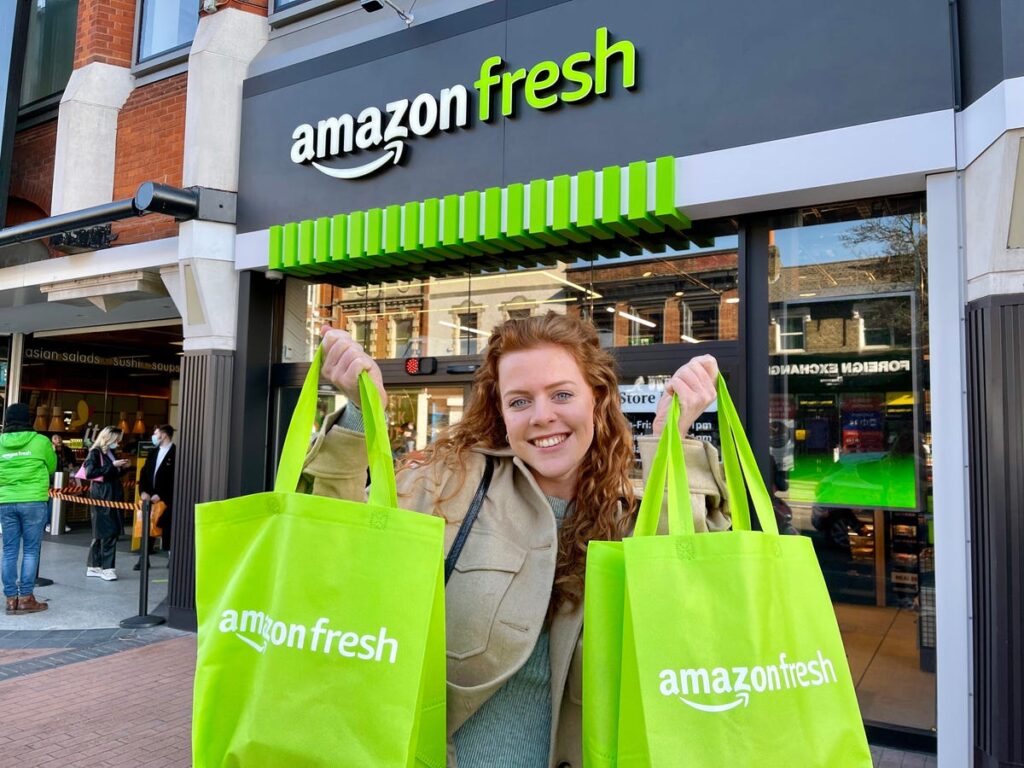
The grocery industry has transformed with the rise of online grocery shopping. Services like Amazon Fresh, Walmart Grocery, Instacart, and Shipt make it possible to order groceries from your phone and have them delivered within hours.
Benefits of Online Groceries:
- Convenience of shopping anytime, anywhere.
- Home delivery or curbside pickup options.
- Access to reviews and product comparisons.
- Easy to track spending before checkout.
Challenges:
- Limited control over produce selection.
- Delivery fees in some cases.
- Availability depends on location.
Despite these drawbacks, online grocery shopping is becoming the future, especially for busy families and urban professionals.
Grocery Trends in 2025
The way we buy groceries continues to evolve. Here are some emerging trends:
- Sustainable Shopping: More consumers are choosing eco-friendly packaging and local produce.
- Plant-Based Foods: A growing demand for vegan and vegetarian grocery options.
- Technology Integration: Smart fridges and AI-powered apps helping manage grocery lists.
- Subscription Services: Monthly grocery box subscriptions for staples and snacks.
- Health-Conscious Choices: Organic, gluten-free, and low-sugar products gaining popularity.
Final Thoughts
Groceries may seem like an everyday routine, but they play a vital role in our health, finances, and overall lifestyle. By planning ahead, shopping smart, and making healthier choices, you can turn grocery shopping into a rewarding experience rather than a stressful chore.
With the rise of online grocery services and changing consumer trends, the future of grocery shopping is faster, more personalized, and more sustainable. Whether you prefer strolling through your local farmers’ market, navigating a supermarket, or shopping with a few clicks online, one thing remains true: groceries fuel our lives.
So the next time you make your grocery list, think of it as more than just items—it’s an investment in your well-being and your future.
For all your groceries shopping check out Amazon fresh groceries:Buy it now on Amazon