

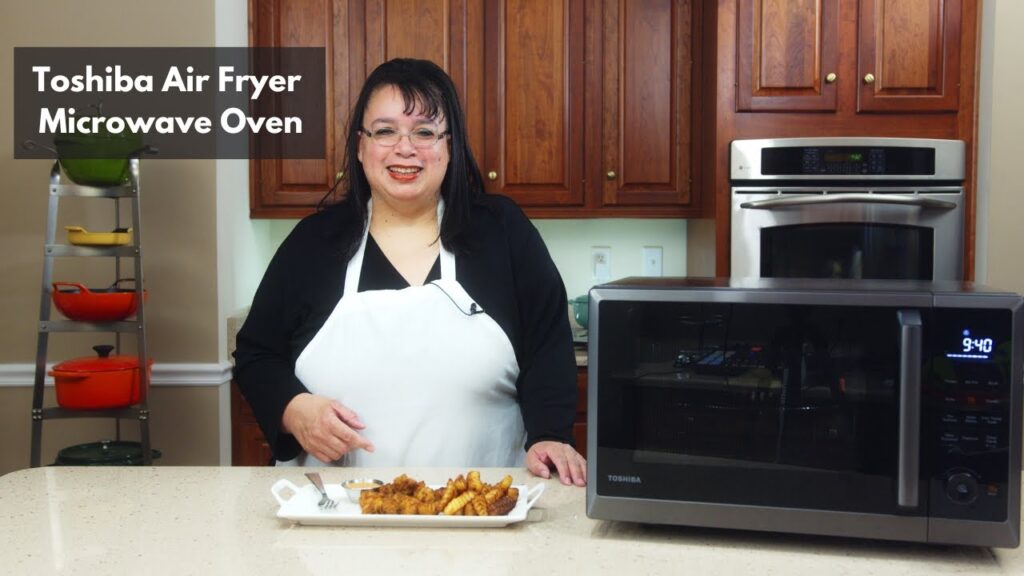
The Ultimate Guide to Microwaves: Choosing the Right One for Your Kitchen
The microwave is one of the most beloved and indispensable appliances in the modern kitchen. From reheating leftovers to defrosting frozen meals, microwaves save time, energy, and effort. Over the years, this convenient appliance has evolved far beyond a simple reheating tool—modern microwaves come with advanced features such as convection cooking, grill functions, inverter technology, and even smart connectivity.
If you are shopping for a new microwave or simply want to understand how to get the most out of the one you have, this guide will cover everything: how microwaves work, the different types available, features to look for, and tips for safe and effective use.
How Does a Microwave Work?
A microwave oven uses electromagnetic waves—specifically microwave radiation—to heat food. These waves excite the water molecules in your food, creating friction and heat, which warms the food quickly and evenly. Unlike conventional ovens that rely on external heat, microwaves heat from within, making them significantly faster for cooking or reheating.
Types of Microwaves
Before buying a microwave, it’s important to know the main types available and which one best suits your kitchen and lifestyle.
1. Countertop Microwaves
- Description: The most common type, designed to sit on a kitchen counter.
- Pros: Affordable, portable, easy to install.
- Cons: Takes up valuable counter space.
- Best For: Renters, small households, or those who need a simple, budget-friendly option.
2. Over-the-Range (OTR) Microwaves
- Description: Installed above the stove, often doubling as a range hood with built-in ventilation.
- Pros: Saves counter space, integrates seamlessly with your kitchen.
- Cons: More expensive, requires professional installation.
- Best For: Homeowners looking for a space-saving solution.
3. Built-In Microwaves
- Description: Designed to fit into cabinetry or a wall, similar to wall ovens.
- Pros: Sleek, modern look; saves counter space.
- Cons: Pricey and often requires custom installation.
- Best For: High-end kitchens or remodels.
4. Microwave Drawers
- Description: Installed into lower cabinets, with a pull-out drawer design.
- Pros: Easy to access, modern aesthetic, child-friendly.
- Cons: Expensive and requires professional installation.
- Best For: Luxury kitchens and families prioritizing safety.
5. Convection Microwaves
- Description: Combines traditional microwave functions with a convection oven, using fans to circulate hot air.
- Pros: Can bake, roast, and brown food in addition to reheating.
- Cons: Pricier than standard models.
- Best For: People with limited kitchen space who want versatility.
Key Features to Consider
When shopping for a microwave, you’ll notice a wide range of features. Here are the most important ones to keep in mind:
- Wattage
- Higher wattage (900–1200 watts) means faster, more even cooking.
- Lower wattage models may struggle with certain foods.
- Capacity & Size
- Ranges from compact (0.5 cu. ft.) to large family-sized models (2.0+ cu. ft.).
- Choose based on how much food you typically cook or reheat.
- Turntable or Flatbed Design
- Turntables rotate food for even heating.
- Flatbed models use advanced wave technology and provide more cooking space.
- Inverter Technology
- Provides consistent, controlled heating instead of cycling power on and off.
- Helps avoid overcooked edges and cold centers.
- Pre-Programmed Settings
- Options like “Popcorn,” “Defrost,” or “Reheat” make operation easy.
- Advanced models may include sensor cooking that adjusts automatically.
- Smart Features
- Wi-Fi connectivity allows control via smartphone or voice assistant.
- Great for tech-savvy users who enjoy convenience.
- Child Lock
- Essential for families with young children to prevent accidental operation.
- Style & Finish
- Stainless steel, black, and white finishes are most common.
- Match with your kitchen appliances for a cohesive look.
Benefits of Using a Microwave
- Speed & Convenience – Heats food in seconds compared to minutes in an oven or stovetop.
- Energy Efficiency – Consumes less energy than conventional cooking methods.
- Nutrient Retention – Cooking vegetables in the microwave can preserve more nutrients compared to boiling.
- Versatility – Beyond reheating, you can defrost, steam, bake, and even roast with certain models.
- Safety – Reduces the risk of burns or fires compared to stovetops.
Microwave Safety Tips
While microwaves are generally safe, following a few precautions will protect both you and your appliance:
- Use microwave-safe containers (glass, ceramic, or BPA-free plastics).
- Avoid metal utensils, foil, or containers with metallic trim.
- Don’t operate the microwave empty, as it can damage the magnetron.
- Stir and rotate food to ensure even heating.
- Cover food with a microwave-safe lid or wrap to prevent splatters.
- Allow standing time after heating—food continues to cook slightly once removed.
Microwave Cooking Tips
- Defrost Properly – Use the defrost setting and flip food halfway through for even results.
- Steam Vegetables – Place veggies in a microwave-safe bowl with a little water and cover loosely.
- Reheat Leftovers Evenly – Spread food out on a plate, cover with a damp paper towel, and reheat in short intervals.
- Make Quick Snacks – From mug cakes to popcorn, microwaves are great for fast treats.
- Use Microwave-Safe Covers – Prevent mess while keeping food moist.
Popular Microwave Brands
- Panasonic – Known for inverter technology and reliable performance.
- Samsung – Stylish models with smart features and sensor cooking.
- LG – Offers sleek designs with advanced reheating and defrosting functions.
- Sharp – Pioneers of microwave drawer designs.
- GE Appliances – Dependable models at various price points.
When to Replace Your Microwave
Most microwaves last around 7 to 10 years with regular use. Consider replacing yours if:
- Cooking times are inconsistent.
- The door seal is damaged.
- Strange noises, smells, or sparks occur.
- Buttons or display stop working.
- You want modern features like smart controls or convection cooking.
Final Thoughts
The microwave has come a long way since its invention in the 1940s. Today, it’s a versatile kitchen essential that does far more than just reheat leftovers. Whether you want a budget-friendly countertop model, a stylish built-in unit, or a high-tech smart microwave with convection capabilities, there’s an option to suit every home and lifestyle.
When choosing the best microwave for your needs, consider size, wattage, cooking features, and design. A well-chosen microwave not only saves time but also enhances your cooking routine—making it easier to prepare quick meals, snacks, and even healthier dishes.