

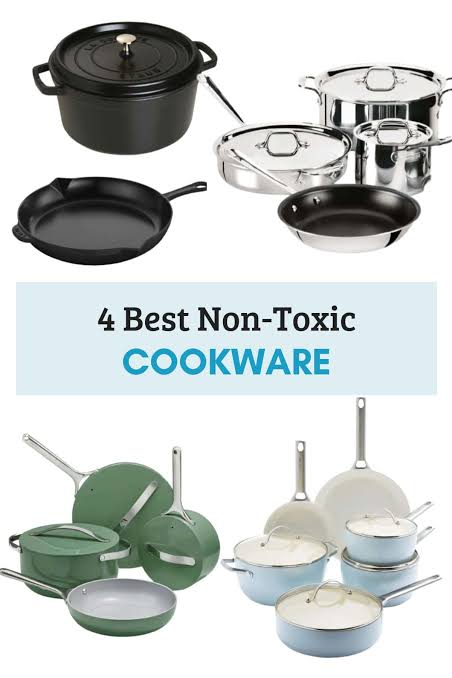
The Ultimate Guide to Cookware Sets: Choosing the Perfect One for Your Kitchen
When it comes to creating delicious meals at home, your ingredients and recipes matter—but so does your cookware. A reliable cookware set is one of the most important investments you can make for your kitchen. From frying eggs to simmering soups, the right pots and pans make cooking not only easier but also more enjoyable. With so many options available—ranging from stainless steel to nonstick, copper to cast iron—it can feel overwhelming to choose the perfect cookware set. This guide will break down everything you need to know about cookware sets, their materials, features, and what to look for before making your purchase.
Why Invest in a Cookware Set?
A cookware set provides a cohesive collection of pots and pans designed to handle a wide range of cooking tasks. While it’s possible to buy cookware pieces individually, purchasing a complete set offers several advantages:
- Consistency – All pieces are designed to match in terms of style, material, and performance.
- Cost Savings – Sets are usually more affordable than buying each pot and pan separately.
- Versatility – A typical set includes frying pans, saucepans, stockpots, and sometimes specialty items, covering most cooking needs.
- Organization – Having a complete matching set makes your kitchen look more professional and organized.
Common Types of Cookware Materials
Before choosing a cookware set, it’s essential to understand the pros and cons of different materials.
1. Stainless Steel
- Pros: Durable, resistant to rust and staining, and doesn’t react with acidic foods. Excellent for browning, searing, and deglazing.
- Cons: Can be prone to food sticking if not used properly; requires oil and proper heat control.
- Best For: Everyday cooking, searing meats, and sauces.
2. Nonstick
- Pros: Food doesn’t stick, making cooking and cleaning easy. Perfect for eggs, pancakes, and delicate foods.
- Cons: Less durable; coatings can wear off over time. Cannot handle very high heat.
- Best For: Low-fat cooking and easy cleanup.
3. Cast Iron
- Pros: Retains heat extremely well, perfect for frying and slow cooking. Can last for decades with proper care.
- Cons: Heavy, requires seasoning, and can rust if not cared for properly.
- Best For: High-heat cooking, grilling, and baking.
4. Copper
- Pros: Excellent heat conductivity, precise temperature control, and a beautiful aesthetic.
- Cons: Expensive, requires polishing, and often lined with stainless steel or tin to prevent reactivity with food.
- Best For: Professional chefs and experienced home cooks who value precision.
5. Hard-Anodized Aluminum
- Pros: Strong, scratch-resistant, and non-reactive. Often has a nonstick surface.
- Cons: Can be pricey and heavy compared to regular aluminum.
- Best For: All-purpose use with durability and performance.
Essential Pieces in a Cookware Set
Most cookware sets come with between 8 and 15 pieces. Here are the essentials you should expect:
- Frying Pans/Skillets – Great for frying, sautéing, and browning.
- Saucepans – Perfect for boiling pasta, heating sauces, or cooking grains.
- Stockpot/Dutch Oven – Large pot for soups, stews, and boiling.
- Sauté Pan – Wider and deeper than a frying pan, great for stir-frying and one-pan meals.
- Lids – Glass or stainless steel lids that fit multiple pots and pans.
- Extras – Some sets include steamers, grill pans, or utensils.
Factors to Consider When Choosing a Cookware Set
1. Cooking Style
Ask yourself what you cook most often. If you frequently prepare delicate foods like fish or eggs, a nonstick set may be ideal. If you love searing and deglazing, stainless steel is a better fit.
2. Heat Source
Do you cook on gas, electric, or induction? Not all cookware works on induction stovetops. Stainless steel and cast iron generally work well, but check the manufacturer’s details.
3. Maintenance
If you want low-maintenance cookware, nonstick and stainless steel are easier to care for. Cast iron and copper require more attention.
4. Budget
Cookware sets range from under $100 to over $1,000. Affordable sets may be great for beginners, while higher-end options are designed for serious home cooks and professionals.
5. Weight and Handling
Heavy pots may retain heat better, but they can also be difficult to maneuver. Choose something comfortable for your cooking style.
Popular Cookware Brands
- All-Clad – Known for high-end stainless steel cookware with excellent durability.
- Calphalon – Offers a range of nonstick and stainless steel options, great mid-range choice.
- T-fal – Affordable nonstick sets, good for beginners.
- Le Creuset – Famous for enameled cast iron cookware.
- Cuisinart – Versatile brand with stainless steel and nonstick sets at different price points.
How to Care for Your Cookware Set
Investing in cookware means taking steps to extend its life. Here are some care tips:
- Stainless Steel: Avoid abrasive cleaners; soak tough stains before scrubbing.
- Nonstick: Use wooden or silicone utensils to prevent scratching. Hand wash when possible.
- Cast Iron: Season regularly with oil and avoid soap when cleaning.
- Copper: Polish regularly to maintain shine.
- General Tip: Always let pans cool before washing to prevent warping.
Benefits of a Quality Cookware Set
- Improved Cooking Results: Better heat distribution ensures your food cooks evenly.
- Time-Saving: Nonstick surfaces and easy-to-clean materials reduce prep and cleanup time.
- Healthier Cooking: Nonstick cookware allows you to use less oil. Cast iron can even add small amounts of iron to your food.
- Aesthetic Appeal: A matching set looks elegant and professional in your kitchen.
Final Thoughts
A cookware set is more than just pots and pans—it’s an essential part of your cooking experience. The right set can elevate your meals, save you time, and make your kitchen more enjoyable to work in. Whether you’re a beginner cook looking for an affordable starter set or a seasoned chef ready to invest in professional-grade cookware, there’s a perfect set out there for you.
When choosing, think carefully about your cooking habits, maintenance preferences, and budget. Remember, a good cookware set is not just a purchase—it’s an investment in countless meals, memories, and moments around the table.