
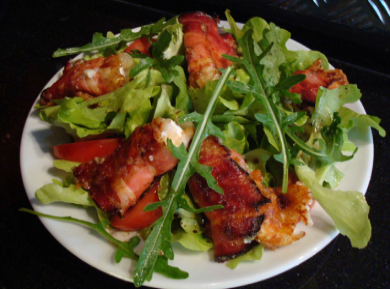

The Ultimate Guide to Meal Prep: Save Time, Eat Healthier, and Reduce Stress
In today’s fast-paced world, finding time to prepare healthy meals can feel like a daily struggle. Between work, school, family responsibilities, and social commitments, it’s easy to reach for quick, convenient options that often compromise your nutrition. This is where meal prep comes in—a strategy that not only saves time but also promotes healthier eating habits, reduces stress, and can even help you stick to your dietary goals. Whether you’re a busy professional, a student, or someone looking to improve their lifestyle, meal prepping can transform the way you approach food.
What is Meal Prep?
Meal prep, short for meal preparation, involves planning, preparing, and portioning your meals in advance. This can mean cooking entire meals ahead of time, chopping ingredients for future use, or simply organizing your weekly meals in a structured way. Meal prepping can take many forms depending on your lifestyle:
- Full Meal Prep: Cooking complete meals for the week and storing them in individual containers.
- Ingredient Prep: Preparing and storing ingredients (like chopped vegetables, grains, or proteins) to quickly assemble meals later.
- Portion Prep: Dividing meals into portions that suit your caloric or dietary needs.
The key is planning and efficiency—spending a few hours at the start of the week can save you countless hours during busy weekdays.
Benefits of Meal Prep
1. Saves Time
Cooking every day can be time-consuming, especially when your schedule is packed. Meal prepping reduces the daily burden by allowing you to cook once and enjoy your meals multiple times. Imagine spending two hours on Sunday cooking lunches and dinners for the entire week—that’s seven days of stress-free eating.
2. Promotes Healthy Eating
When meals are pre-planned, it’s easier to control portions and make balanced choices. You’re less likely to opt for fast food or unhealthy snacks when you have nutritious, ready-to-eat meals waiting for you. Meal prep encourages a diet rich in whole foods, vegetables, lean proteins, and complex carbohydrates.
3. Saves Money
Eating out or ordering takeout adds up quickly. Meal prepping at home reduces the cost per meal and minimizes food waste. By buying ingredients in bulk and using them efficiently, you can stretch your grocery budget significantly.
4. Reduces Stress
The question of “what’s for dinner?” disappears when you have meals prepped and ready. Knowing that you have balanced, satisfying meals available at all times can significantly reduce stress, especially during hectic workweeks.
5. Helps with Fitness Goals
Whether you’re trying to lose weight, gain muscle, or maintain a healthy lifestyle, meal prep can keep you on track. Pre-portioned meals ensure that you’re eating the right amount of calories and nutrients to meet your goals.
Getting Started with Meal Prep
Starting with meal prep might feel overwhelming at first, but with a little planning, it becomes a simple, routine habit. Here’s a step-by-step guide:
Step 1: Plan Your Meals
Decide what meals you want to prepare for the week. Consider breakfast, lunch, dinner, and snacks. Look for recipes that are easy to prepare, store well, and reheat nicely. Think about your nutritional goals—do you want high-protein meals, low-carb options, or balanced meals with plenty of vegetables?
Step 2: Make a Shopping List
Once your meals are planned, create a detailed shopping list. Include all ingredients you’ll need, and check your pantry and fridge to avoid buying duplicates. Planning your grocery trip saves both time and money.
Step 3: Choose Storage Containers
Invest in quality storage containers that are microwave and dishwasher-safe. Glass containers are great for reheating, while BPA-free plastic containers are lighter and easier to transport. Consider containers with compartments for portion control.
Step 4: Cook Efficiently
Batch cooking is key. Prepare multiple servings of grains like rice, quinoa, or pasta at once. Roast or steam large batches of vegetables. Cook proteins like chicken, fish, or tofu in bulk. Use different cooking methods to add variety and keep meals interesting.
Step 5: Portion and Store
Divide meals into containers, making sure to balance proteins, carbs, and vegetables. Label containers with the meal name and date to keep track of freshness. Store meals in the fridge for up to 4–5 days or freeze them for longer storage.
Meal Prep Ideas
Here are some meal prep ideas to get you started:
Breakfast
- Overnight oats: Mix oats with milk or yogurt, chia seeds, and your favorite fruits. Let them sit in the fridge overnight for a quick grab-and-go breakfast.
- Egg muffins: Beat eggs with vegetables, cheese, and cooked meats, then bake in muffin tins. Store in the fridge for up to a week.
- Smoothie packs: Pre-pack frozen fruits and vegetables in bags, then blend with liquid in the morning.
Lunch
- Grain bowls: Cook grains like brown rice or quinoa and top with protein, roasted vegetables, and a healthy dressing.
- Salad jars: Layer salad ingredients in mason jars, keeping dressing at the bottom to prevent soggy greens.
- Wraps and sandwiches: Assemble wraps or sandwiches and wrap them tightly in foil or plastic wrap for easy transport.
Dinner
- Sheet pan meals: Roast protein and vegetables together on a sheet pan for easy cooking and minimal cleanup.
- Casseroles: Prepare casseroles in advance and portion them into containers. They often taste better after a day or two as flavors meld.
- Stir-fries: Pre-chop vegetables and proteins; stir-fry with sauce for a quick and nutritious meal.
Snacks
- Veggie sticks and hummus: Chop carrots, celery, and bell peppers, and portion into containers with hummus.
- Fruit cups: Slice fruits like melons, pineapple, or berries for easy, fresh snacks.
- Nuts and trail mix: Pre-portion servings into small bags or containers for healthy, satisfying snacks.
Tips for Successful Meal Prep
- Start Small: If you’re new to meal prep, start with just a few meals per week and gradually increase as you get comfortable.
- Keep it Simple: Focus on meals with few ingredients that are easy to cook and store.
- Use Versatile Ingredients: Choose ingredients that can be used in multiple meals, like chicken, quinoa, or roasted vegetables.
- Label Everything: Include the date and contents to avoid confusion and waste.
- Mix and Match: Prepare components separately so you can combine them in different ways for variety.
- Invest in Quality Containers: Durable containers that are easy to clean and stack will make the process much smoother.
Overcoming Common Meal Prep Challenges
Even the best-planned meal prep strategies can encounter challenges. Here’s how to handle some common ones:
- Boredom: Rotate meals weekly or try new recipes to keep things exciting. Using different sauces and spices can completely change the flavor of a meal.
- Time Constraints: Use slow cookers or Instant Pots to cook large batches with minimal effort.
- Storage Issues: Use your freezer strategically. Freeze meals in single portions and thaw as needed.
- Freshness Concerns: Incorporate some meals with ingredients that hold up well, like roasted vegetables, grains, and proteins like chicken or tofu. Reserve delicate greens and herbs for later in the week.
Conclusion
Meal prep is more than just a time-saving tactic—it’s a lifestyle choice that promotes health, reduces stress, and simplifies your week. With a little planning, some smart shopping, and consistent habits, meal prepping can become a seamless part of your routine. Whether your goal is to eat healthier, save money, or just make life easier, meal prep is a powerful tool to help you achieve it. Start small, stay consistent, and watch how a few hours of preparation can transform your week.
Meal prep isn’t just about food; it’s about taking control of your schedule, your health, and your life. Once you experience the convenience and satisfaction of ready-to-eat, balanced meals, you’ll wonder how you ever managed without it. So grab your containers, plan your meals, and get ready to revolutionize the way you eat. Your future self will thank you.